Careers in Creative Industries. A workshop for Years 11 -12

What does a career in the creative industries actually look like?
For Year 11 and 12 students considering a future in art, design, illustration, writing, animation, photography, publishing or other creative fields, the answer can be surprisingly difficult to find. Creative careers rarely follow a straight line. There isn’t always one clearly defined pathway from school, to university, to a single job.
Instead, careers in creative industries can take many unexpected turns.
One Creative Career, Many Paths is a workshop designed to help Year 11 and 12 students explore what a creative career can really look like and to show them that there isn’t just one way to build a successful creative life. From my own experience as a VCE art and design teacher, I know that students are often confused and overwhelmed by the prospect of following their hearts.
Some students often choose to go down other career paths, such as science or finance, simply because the creative paths they could follow, haven’t been highlighted. (I was one of those kids! I started a Biochemistry course straight out of Year 12!)
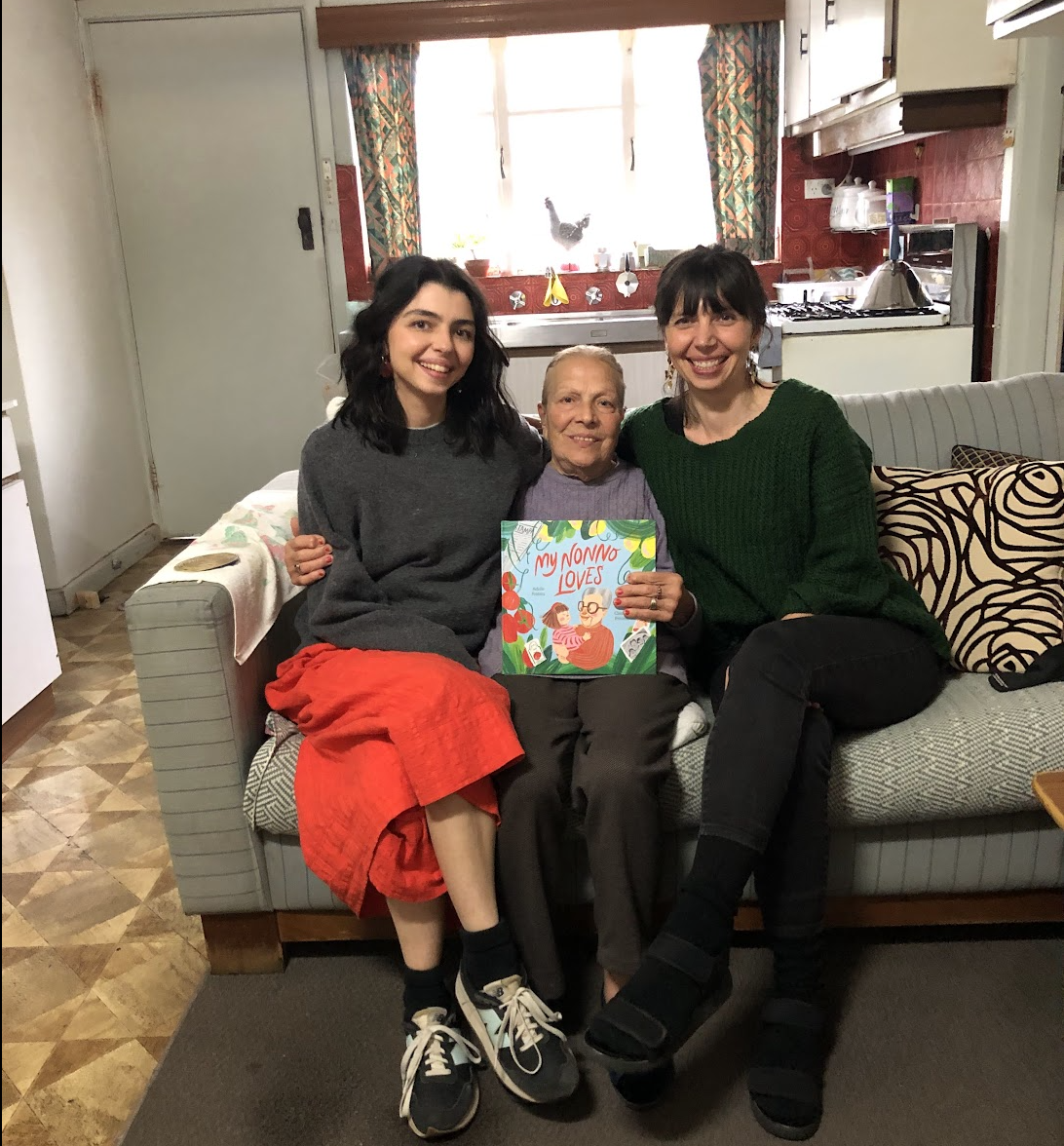
Drawing on my own experience as an artist, art teacher and children’s book author, the workshop looks beyond the idea of a single job title and explores the many different roles, opportunities and skills that can exist within a creative career.
There isn’t just one path
When students think about working creatively, they might imagine becoming an artist, designer or illustrator. They may also have heard that creative careers are difficult to pursue or that they need to choose one specific area and stick with it.
But the reality is often much more varied.
A creative career can involve working across several different industries and disciplines. An illustrator might also become an author. A designer might work in branding, publishing, advertising or digital media. An artist might teach, exhibit work, run workshops, collaborate with businesses or create commissions.
And sometimes, the career you eventually build doesn’t even exist in the form you imagined when you were 17.
This workshop encourages students to think about their future as something they can build, rather than something they need to have completely figured out before they leave school.


Creativity is a transferable skill
One of the most important messages of the workshop is that creative skills have value far beyond the traditional “creative jobs”.
The ability to generate ideas, solve problems, communicate visually, experiment, respond to feedback and think differently can be useful across an enormous range of careers.
Students will be encouraged to consider not only What do I want to be? but also:
What am I good at?
What do I enjoy doing?
What problems do I like solving?
What kind of work environment suits me?
How could my creative skills be used in different industries?
These questions can open up possibilities that students may not have previously considered.
A real-world creative career story
Rather than presenting a creative career as a perfect success story, the workshop shares the reality of a creative career — including the different opportunities, decisions, changes and unexpected directions that can shape it.
Students get to see how teaching, making art, writing, illustrating, publishing, public speaking and running creative workshops can all become connected parts of one career.
This is particularly important for senior students who may feel pressure to choose a single pathway immediately.
A creative career doesn’t necessarily have to be linear.
You can study one thing and work in another. You can have several creative roles at the same time. You can return to an old interest later in life. You can develop new skills as technology and industries change.
And you can change direction.
From classroom skills to creative careers
The workshop also encourages students to recognise the connection between what they are currently doing at school and the skills they may use in future creative work.
Developing an idea, researching, experimenting with materials, presenting work, responding to feedback and refining a design are not simply classroom exercises. They are processes used by professional creatives every day.
For students studying VCE Visual Arts, Visual Communication Design, Media, Literature, Design or other creative subjects, this can help make the connection between their current studies and the wider creative industries more visible.
It’s okay not to have it all worked out
Perhaps the most important message for Year 11 and 12 students is this:
You don’t need to know exactly where you’re going to start moving forward.
The creative industries are constantly changing. New technologies are creating new opportunities, while traditional creative roles continue to evolve. The ability to adapt, learn and keep developing ideas can be just as important as having a particular qualification or job title.
A creative career may begin with a passion for drawing, photography, storytelling, fashion, animation or making things. From there, it can grow in directions that are difficult to predict.
The goal of this workshop is not to tell students what career they should choose.
It’s to help them see more possibilities.
To understand that creative careers can be flexible, diverse and evolving.
And to leave them thinking:
“Maybe there isn’t just one path. Maybe I can create my own.”